Family values and their transformation in the digital environment: intergenerational aspect and family well-being
DOI:
https://doi.org/10.32523/3080-1893-2025-152-3-127-148Keywords:
family values, intergenerational transmission, virtualization, digital environment, family well-being, psychological well-being, value transformationAbstract
The modern family, as a key institution of socialization, is undergoing profound changes in the context of digitalization and the virtualization of social life. The virtual environment transforms modes of communication and affects the mechanisms of intergenerational transmission of family values, which directly impacts the level of family well-being. This article presents a study aimed at exploring the role of traditional and transforming family values in their intergenerational transmission within the context of virtualization and determining their influence on contemporary family well-being. The main research directions included the analysis of conceptual frameworks, identification of value structures across generations, examination of value transmission mechanisms in the digital environment, assessment of well-being levels, and establishment of interrelations among these factors. The scientific significance lies in the development of conceptual understanding regarding the transformation of family values and their transmission mechanisms in the digital age, as well as in the refinement of the family well-being model (based on C. Ryff’s model), taking into account virtualization. The study was grounded in systemic and cultural-historical approaches and generational theory. Methods included theoretical analysis, original questionnaires, and techniques; the sample consisted of 300 individuals (100 from each of the younger (18–24 y.o.), middle (35–44 y.o.), and older (60+ y.o.) generations). A significant intergenerational gap in values was identified between the younger and older generations, while the middle generation showed balance. Virtualization was found to have an ambiguous impact: facilitating connection on one hand, while creating value gaps and reducing the quality of personal interaction on the other. High virtualization was correlated with low autonomy/self-acceptance but high personal growth among youth; mechanisms of value transmission are being transformed. The study contributes to understanding the complex dialectics between traditional and new values, the mediating role of virtualization in intergenerational transmission, and its multifaceted impact on various aspects of family well-being, adapted to contemporary conditions. The findings can be used to develop differentiated psychological and pedagogical support programs for families of different generations facing adaptation challenges in the digital environment, and to inform and improve state and social family policy in light of the identified trends and challenges of the digital ageDownloads
Download data is not yet available.
Downloads
Published
2025-09-29
Issue
Section
Статьи
How to Cite
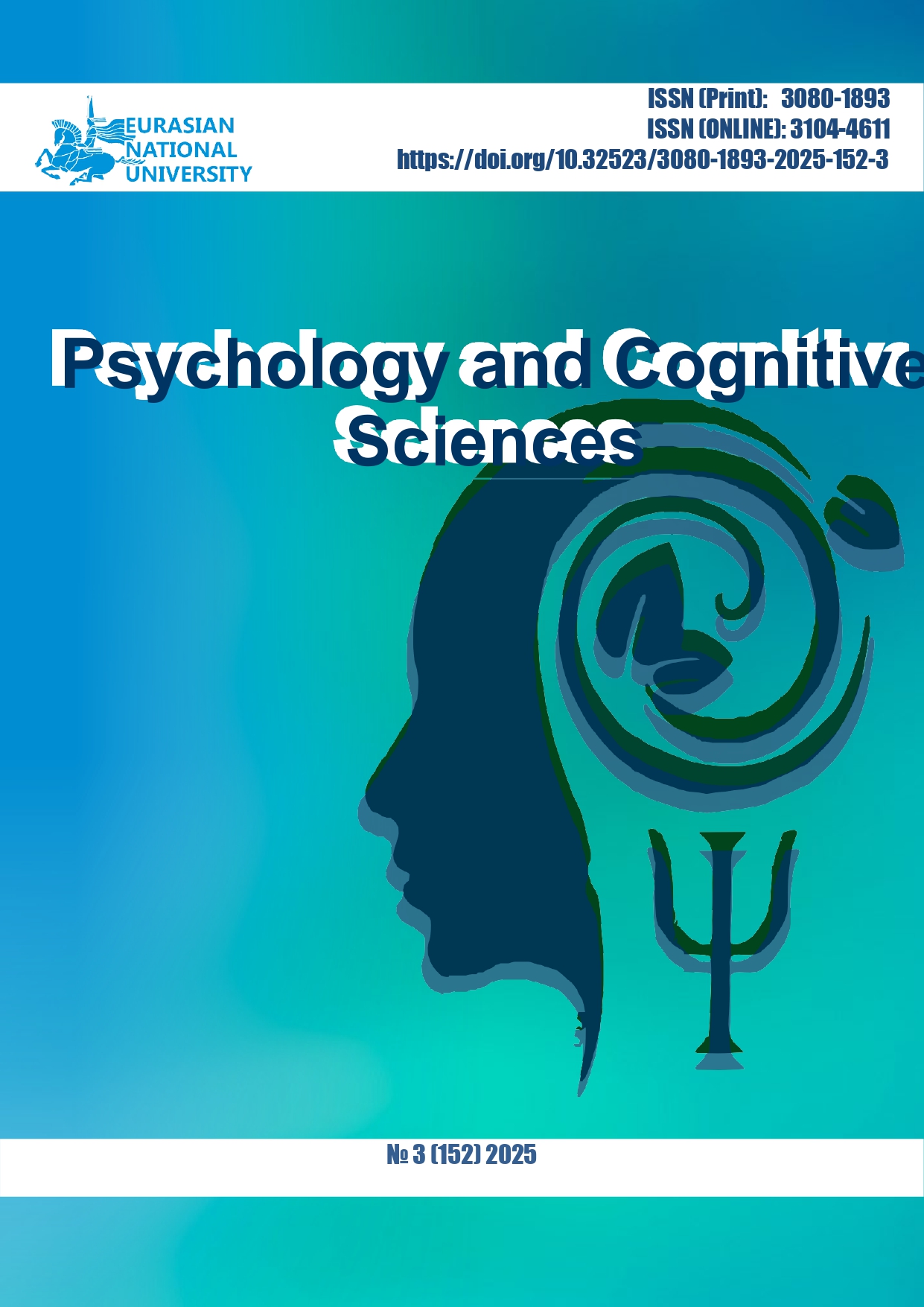
Family values and their transformation in the digital environment: intergenerational aspect and family well-being. (2025). Psychology and Cognitive Sciences , 152(3), 127-148. https://doi.org/10.32523/3080-1893-2025-152-3-127-148